BloggerOn
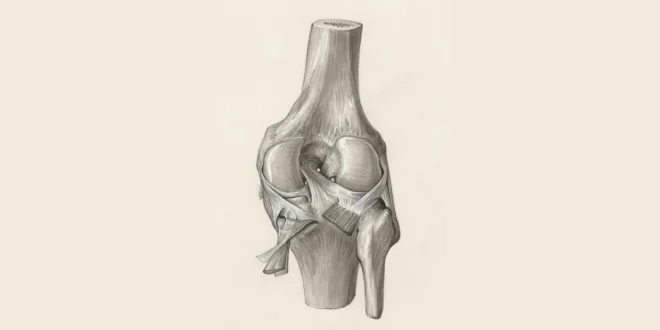
Our knees help us perform many activities throughout the day. From getting out of bed in the morning to walking, climbing stairs, exercising, and playing sports, we depend on them for almost every type of leg movement. One small but important part of the knee joint is the kneecap, also called the patella.
Although the kneecap is not a large bone, it has several important jobs. It protects the front of the knee, helps the thigh muscles work effectively, and supports smooth leg movement. Without it, simple activities such as standing up from a chair or walking uphill would require more effort.
Understanding the use of kneecap can help us appreciate how the knee works and why proper knee care is important at every age.
What Is a Kneecap and Where Is It Located?
The kneecap is a small, triangular-shaped bone located at the front of the knee joint. It sits within the tendon of the quadriceps muscle, which is the large muscle group at the front of the thigh. The quadriceps tendon connects the muscle to the kneecap, while the patellar ligament connects the kneecap to the shinbone.
The back of the kneecap is covered with a smooth layer of cartilage. This surface allows it to glide over the lower part of the thigh bone when the knee bends and straightens.
You can feel your kneecap by gently touching the front of your knee. It moves slightly when you bend or straighten your leg. This movement is normal and plays an important part in how your knee functions.
Use of Kneecap
The kneecap does much more than cover the front of the knee. It works with muscles, tendons, and other parts of the joint to support everyday movement.
1. Protects the Knee Joint
One of the main functions of the kneecap is to provide protection to the front of the knee. It acts as a natural shield over the joint and helps protect the structures underneath from direct impacts.
For example, if you accidentally bump your knee against furniture, the kneecap provides some protection against the impact. However, a hard fall or direct blow can still cause a fracture or other injury.
2. Makes Leg Movement Easier
The kneecap helps the knee bend and straighten properly. Whenever you walk, sit, stand, or climb stairs, it moves along a groove in the thigh bone.
This movement helps the surrounding muscles and tendons work together. It also makes everyday leg movements more efficient and controlled.
3. Helps Thigh Muscles Produce More Force
The quadriceps muscles are responsible for straightening the knee. The kneecap improves the leverage of these muscles, allowing them to produce greater force.
This is especially important when getting up from a chair, climbing stairs, jumping, or kicking a football. The kneecap makes these movements easier by helping the thigh muscles work more effectively.
4. Supports Walking and Running
Walking and running involve repeated bending and straightening of the knees. The kneecap helps the quadriceps muscles perform these movements efficiently.
It also helps distribute pressure between the kneecap and the thigh bone. This is important because the knee experiences different levels of force depending on whether we are walking slowly, running, or moving uphill.
5. Helps During Sports Activities
Sports such as football, cricket, basketball, badminton, and athletics require strong and flexible knees.
The kneecap supports movements such as jumping, landing, kicking, and changing direction. It helps the muscles around the knee produce the force needed for these activities.
However, repeated jumping and intense training can put extra stress on the knee. This is why athletes should pay attention to proper warm-ups, suitable training routines, and recovery time.
What Happens When the Kneecap Does Not Work Properly?
The kneecap needs to move smoothly in its natural groove to support normal knee function. Sometimes, an injury, muscle weakness, or a problem with kneecap movement can cause discomfort.
A common example is patellofemoral pain, which causes pain around or behind the kneecap. People may notice it while climbing stairs, squatting, running, or sitting with their knees bent for a long time.
Other common problems include:
- Kneecap dislocation: The kneecap moves out of its normal position, often towards the outer side of the knee.
- Patellar tendinitis: The tendon below the kneecap becomes irritated, often due to repeated jumping or running.
- Kneecap fracture: A break in the kneecap that may happen after a hard fall or direct impact.
- Knee cartilage damage: The smooth cartilage around the kneecap can become damaged, causing pain and discomfort during movement.
Common symptoms include swelling, tenderness, pain while bending the knee, and difficulty walking. A doctor or physiotherapist can help identify the problem and recommend suitable treatment.
How to Keep Your Kneecap Healthy
Taking care of your knees is important because they support your body during countless daily activities. A few simple habits can help maintain knee strength and comfortable movement.
Keep your leg muscles strong: Exercises that strengthen the quadriceps, hamstrings, and hip muscles can provide better support for the knee. Choose exercises according to your fitness level.
Stay physically active: Walking, swimming, and cycling are useful low-impact activities that help maintain joint movement and overall leg strength.
Maintain a healthy body weight: Extra body weight can increase the pressure placed on the knee joints, particularly during walking, running, and climbing stairs.
Warm up before exercise: Spend a few minutes preparing your muscles before running, jumping, or playing sports. This helps your body adjust to physical activity.
Wear comfortable shoes: Proper footwear can provide support and make walking and exercising more comfortable.
Do not ignore knee pain: Occasional tiredness after exercise may be normal, but persistent pain, swelling, or difficulty moving the knee should be checked by a healthcare professional.
If you experience a sudden injury, significant swelling, a visibly displaced kneecap, or an inability to put weight on your leg, seek medical attention promptly.
Why Should You Understand the Importance of Your Kneecap?
Many people only think about their knees when they start experiencing pain. However, understanding how different parts of the knee work can help us make better decisions about exercise, movement, and joint care.
The kneecap is a good example of how a small bone can have a major impact on everyday life. It helps protect the knee, improves muscle performance, and supports movements that we often perform without thinking.
Knowing the use of kneecap also helps people understand why knee injuries should not be ignored and why maintaining strong leg muscles is important.
Final Thoughts
The kneecap plays an important role in keeping our legs moving comfortably. It protects the front of the knee, helps the thigh muscles produce force, and supports activities such as walking, running, climbing stairs, and playing sports.
Although we cannot always prevent knee injuries, we can take sensible steps to support joint health. Regular physical activity, suitable exercises, proper footwear, and timely medical attention can all make a difference.
Taking care of your knees today can help you stay active and enjoy everyday activities with greater comfort in the years ahead.