BloggerOn
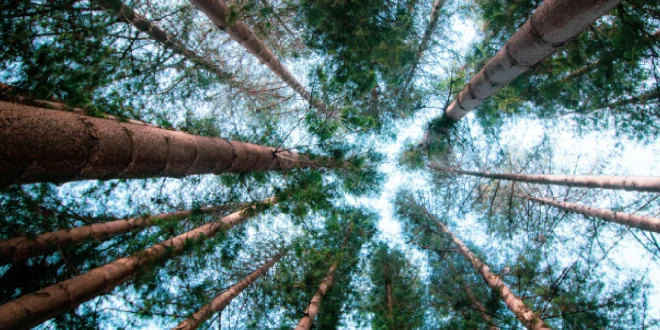
Pine trees are among the most recognizable trees in the world, but identifying their different varieties is not always as easy as it seems. Some have long, soft needles, while others feature shorter, stiff foliage. Their cones, bark patterns, branch structures, and overall shapes can also vary considerably. Whether you are exploring a forest, planning a landscape, or simply interested in learning more about trees, understanding these differences can help you recognize individual pine species.
Identifying a pine tree can also provide useful information about its natural growth habits. For example, knowing the species helps explain How Long Does It Take to Grow a Pine Tree, because some varieties develop much faster than others. Their mature size, preferred climate, and environmental requirements also differ.
If you have ever wondered How long does it take a pine tree to grow, identifying its variety is a good place to start. A small ornamental pine and a large forest species can have very different growth patterns. Learning to recognize their features makes it easier to understand what makes each type unique.
What Makes Pine Trees Different From Other Trees?
Pine trees belong to the genus Pinus and are members of the conifer family. They are generally evergreen trees that produce needle-like leaves and cones instead of flowers and fruits.
One of their most distinctive features is the arrangement of their needles. Pine needles typically grow in bundles called fascicles. Depending on the species, each bundle may contain two, three, or five needles.
Their cones are another useful identification feature. Pine cones differ in size, shape, thickness, and the arrangement of their scales. The bark can also provide important clues, particularly in mature trees.
Although many conifers look similar from a distance, these characteristics help distinguish pine trees from spruce, fir, cedar, and other related trees.
1. Eastern White Pine
Eastern White Pine (Pinus strobus) is a large and graceful pine species native to eastern North America. It is known for its relatively soft, slender needles, which typically grow in bundles of five.
Its needles usually have a bluish-green appearance and create a delicate texture across the branches. The tree produces long, narrow cones that hang from its branches.
Mature Eastern White Pines can become very tall, often reaching approximately 80 to 150 feet under suitable conditions.
Identification features:
- Five soft needles in each bundle.
- Long, narrow cones.
- Relatively smooth bark on younger trees.
- Tall, straight trunk in mature specimens.
2. Ponderosa Pine
Ponderosa Pine (Pinus ponderosa) is a large tree commonly found in western North America. It is especially recognizable because of its distinctive bark, which develops large, irregular plates as the tree matures.
Its needles generally grow in bundles of three and are relatively long and stiff. Mature trees can develop impressive heights and strong, straight trunks.
The bark often develops yellowish or orange-brown tones, particularly in older trees. This gives the species a recognizable appearance in many western forest landscapes.
Identification features:
- Usually three needles per bundle.
- Long, stiff foliage.
- Thick bark with large plates.
- Large cones with pointed scales.
3. Scots Pine
Scots Pine (Pinus sylvestris) is widely distributed across Europe and parts of Asia. It is one of the most recognizable pine species because of its distinctive reddish-orange bark near the upper trunk and branches.
Its needles usually grow in pairs and have a slightly twisted appearance. Their colour ranges from bluish-green to grey-green.
As the tree matures, its lower branches may disappear, leaving a relatively open crown near the top.
Identification features:
- Two needles per bundle.
- Twisted blue-green foliage.
- Orange or reddish upper bark.
- Rounded crown in older trees.
4. Lodgepole Pine
Lodgepole Pine (Pinus contorta) is commonly found in western North America, particularly in mountainous and forested regions.
It usually has two needles per bundle, although the length and appearance of its foliage can vary between subspecies.
The tree often develops a narrow, straight trunk and a relatively slender crown. Its cones can remain attached to branches for extended periods, and some populations have cones that open after exposure to heat.
Identification features:
- Two needles per bundle.
- Relatively slender trunk.
- Small to medium-sized cones.
- Narrow growth form in many forest settings.
5. Sugar Pine
Sugar Pine (Pinus lambertiana) is one of the largest pine species in the world. It is native to western North America and is particularly famous for producing exceptionally long cones.
Its needles grow in bundles of five and generally have a soft, blue-green appearance.
Mature Sugar Pines can reach heights of approximately 100 to 200 feet or more under favourable conditions. Their large size and impressive cones make them particularly interesting to identify.
Identification features:
- Five needles per bundle.
- Exceptionally long hanging cones.
- Tall trunk and broad crown.
- Greyish-brown bark on mature trees.
6. Virginia Pine
Virginia Pine (Pinus virginiana) is a smaller pine species native to the eastern United States. It often grows in dry, rocky, or relatively poor soils.
Its needles generally grow in pairs and are shorter than those of several other pine varieties. They may appear twisted and have a yellowish-green colour.
The tree usually develops an irregular crown and rough bark as it matures.
Identification features:
- Two relatively short needles per bundle.
- Twisted foliage.
- Small cones.
- Irregular branches and crown.
How to Identify a Pine Tree by Its Needles
Needles are among the most useful features for identifying pine species. Start by looking at how many needles grow together in each bundle.
For example, Eastern White Pine and Sugar Pine typically have five needles per bundle, while Scots Pine and Lodgepole Pine usually have two.
Needle length, colour, thickness, and texture can provide additional clues. Some species have long, stiff needles, while others have shorter and softer foliage.
However, needle characteristics should not be considered in isolation. It is best to examine the cones, bark, branches, and overall tree shape as well.
How to Identify Pine Trees by Their Cones
Pine cones vary considerably between species and can be especially helpful during identification.
Some trees produce long, narrow cones, while others have shorter and thicker ones. Their scales may be thin, thick, rounded, or pointed.
For instance, Sugar Pine is known for its exceptionally long cones, while Eastern White Pine produces narrower cones that hang from the branches.
If possible, examine mature cones that have naturally fallen from the tree. Avoid relying on a single cone because size and appearance can vary.
Why Is Identifying Pine Species Important?
Knowing which pine species you are looking at can be useful for several reasons.
First, it helps you understand the tree’s natural size and growth requirements. A large forest species may not be suitable for a small garden, while a compact variety can be a better landscaping choice.
Second, identification helps determine the tree’s climate preferences, soil requirements, and environmental tolerance.
It can also help when researching How Long Does It Take to Grow a Pine Tree, since growth rates differ significantly between species. Similarly, understanding How long does it take a pine tree to grow becomes easier when you know which variety you are studying.
Accurate identification can also be useful for forest management, conservation, and recognizing potential pest or disease problems.
Final Thoughts
Pine trees may share several common characteristics, but their needles, cones, bark, and growth patterns make each species unique. From the tall Eastern White Pine to the impressive Sugar Pine and the distinctive Scots Pine, every variety has features that make it interesting to identify.
When examining a pine tree, start with its needle bundles and then look closely at its cones, bark, and overall shape. Combining these features will give you a much better idea of which species you are observing.
With a little practice, identifying different pine trees becomes easier and more enjoyable. It also provides a better understanding of their natural habitats, growth habits, and importance in forest ecosystems.
To read more interesting articles visit website – https://www.bloggeron.net