BloggerOn
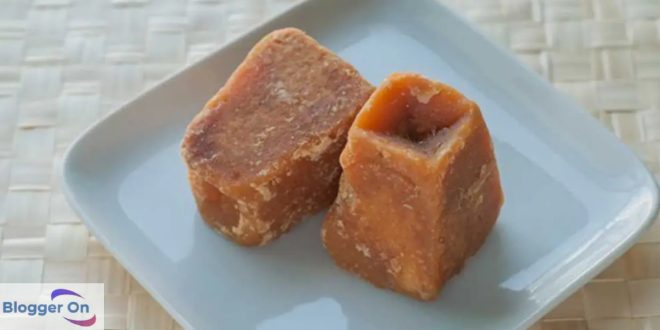
For centuries, jaggery has been more than just a sweetener—it’s been a symbol of health, tradition, and natural wellness in India and across Asia. Often called “gur” in Hindi, jaggery is a golden-brown, unrefined sugar made from sugarcane juice or palm sap. Unlike processed sugar, which only provides empty calories, jaggery is packed with essential nutrients, antioxidants, and minerals that offer incredible health benefits.
In today’s health-conscious world, where people are actively seeking natural alternatives to refined sugar, Wellhealthorganic Com Jaggery with Incredible Health Benefits stands out as a wholesome option. From boosting digestion to detoxifying the body, from strengthening immunity to improving skin health, jaggery is more than just a sweet treat—it’s a lifestyle choice rooted in Ayurveda and modern science alike.
This blog explores everything you need to know about jaggery—its origins, nutritional value, health benefits, ayurvedic perspective, modern uses, diet integration tips, and even its role in sustainable living.
What is Jaggery? A Brief Introduction
Jaggery is a traditional, unrefined sugar widely used in Asia, Africa, and Latin America. Unlike refined sugar, jaggery is not processed with chemicals like sulfur dioxide or bleaching agents. Instead, it is made by boiling raw sugarcane juice or palm sap until it thickens, then cooling and solidifying it into blocks or powder.
-
Color: Ranges from golden yellow to dark brown
-
Taste: Sweet, earthy, and slightly caramel-like
-
Form: Solid blocks, granules, or powder
Known as “gur” in India, “panela” in Latin America, and “rapadura” in Brazil, jaggery has been cherished for both culinary and medicinal purposes for thousands of years.
How Jaggery is Made: From Sugarcane to Sweet Delight
The traditional process of making jaggery is eco-friendly and chemical-free.
Step-by-Step Process:
-
Extraction: Fresh sugarcane juice or palm sap is extracted.
-
Clarification: The juice is filtered to remove impurities, sometimes using natural clarifying agents like okra stems.
-
Boiling: The juice is boiled in large iron pans, continuously stirred, and reduced to a thick syrup.
-
Cooling: The syrup is poured into molds or flat surfaces to cool and solidify.
-
Shaping: Once cooled, it is shaped into blocks, balls, or powdered form.
This artisanal process preserves essential minerals and nutrients, unlike refined sugar production, which strips them away.
Nutritional Profile of Jaggery
One of the reasons jaggery is considered a healthier sweetener is its impressive nutritional content.
Nutritional Value of 100g Jaggery
| Nutrient | Amount (per 100g) |
|---|---|
| Calories | ~383 kcal |
| Carbohydrates | 97 g |
| Protein | 0.4 g |
| Fat | 0.1 g |
| Calcium | 80 mg |
| Magnesium | 160 mg |
| Potassium | 140 mg |
| Phosphorus | 40 mg |
| Iron | 11 mg |
| Sodium | 30 mg |
| Vitamin B-complex | Trace amounts |
| Antioxidants | Polyphenols, flavonoids |
As you can see, jaggery is not just “sugar”—it’s also a source of iron, magnesium, potassium, and antioxidants, making it far superior to refined sugar.
Wellhealthorganic Com Jaggery with Incredible Health Benefits – Why It Stands Out
When we talk about Wellhealthorganic Com Jaggery with Incredible Health Benefits, we highlight not just jaggery as a food but as a wellness practice. Unlike ordinary jaggery found in local markets, Wellhealthorganic ensures:
-
Organic Farming Practices – Free from pesticides and chemicals
-
Traditional Processing – No use of artificial clarifiers or preservatives
-
Nutrient Preservation – Retains natural minerals and antioxidants
-
Sustainability – Supports local farmers and eco-friendly practices
Thus, this form of jaggery is purer, healthier, and more beneficial compared to commercial-grade jaggery.
Ayurvedic Perspective on Jaggery
Ayurveda, India’s ancient system of medicine, praises jaggery as a natural detoxifier and energy booster. According to Ayurvedic texts:
-
Rasa (Taste): Madhura (sweet)
-
Virya (Potency): Ushna (warm)
-
Vipaka (Post-digestive effect): Madhura (sweet)
Ayurvedic Benefits of Jaggery:
-
Balances Vata and Pitta doshas
-
Enhances digestion and prevents constipation
-
Acts as a natural blood purifier
-
Provides instant energy without harmful effects of refined sugar
-
Improves immunity and strengthens lung health
In Ayurveda, jaggery is often prescribed in winters to combat respiratory issues and maintain body warmth.
Top 15 Health Benefits of Jaggery
Jaggery is often called a “superfood sweetener”, thanks to its wide range of benefits.
Health Benefits of Jaggery
| Health Benefit | How It Helps |
|---|---|
| Boosts Immunity | Rich in antioxidants, zinc, and selenium strengthen the immune system. |
| Aids Digestion | Activates digestive enzymes, prevents constipation, reduces bloating. |
| Detoxifies the Liver | Natural cleanser that flushes out toxins from the liver. |
| Improves Blood Circulation | Iron-rich jaggery prevents anemia and boosts hemoglobin levels. |
| Relieves Menstrual Cramps | Magnesium helps relax muscles and ease cramps. |
| Supports Respiratory Health | Reduces asthma, cough, and cold symptoms. |
| Enhances Skin Glow | Antioxidants fight free radicals, reducing acne and signs of aging. |
| Strengthens Bones | Calcium and magnesium improve bone health. |
| Controls Blood Pressure | Potassium and sodium regulate blood pressure. |
| Provides Instant Energy | Natural sugars release energy gradually, preventing fatigue. |
| Aids Weight Management | Curbs cravings and provides a healthier sweet option. |
| Prevents Joint Pain | Traditionally consumed with milk to reduce joint stiffness. |
| Improves Heart Health | Antioxidants and minerals prevent oxidative stress. |
| Enhances Metabolism | Supports healthy gut microbiota and metabolic rate. |
| Reduces PMS Symptoms | Provides essential nutrients that balance hormones. |
Jaggery vs. White Sugar: A Healthier Alternative
Most people use refined sugar daily, unaware of its harmful effects. Jaggery, however, provides nutrition along with sweetness.
Jaggery vs. White Sugar
| Feature | Jaggery | White Sugar |
|---|---|---|
| Processing | Minimal, natural | Highly processed, bleached |
| Nutrients | Rich in iron, magnesium, potassium | Empty calories, no nutrients |
| Glycemic Index | 70–75 (moderate) | 65 (similar but spikes faster) |
| Health Impact | Detoxifying, immunity-boosting | Causes obesity, diabetes risk |
| Taste | Earthy, caramel-like | Plain sweet |
Clearly, jaggery is the smarter, healthier choice for long-term wellness.
How to Include Jaggery into Your Diet
Jaggery is versatile and can replace sugar in almost every dish.
Ways to Use Jaggery:
-
Sweetener in Beverages: Add to tea, coffee, or herbal drinks.
-
Cooking: Use in desserts like kheer, halwa, and ladoos.
-
Snacking: Pair with roasted peanuts, sesame seeds, or coconut.
-
Winter Special: Consume jaggery with ghee and nuts for warmth.
-
Detox Drink: Mix jaggery with warm water and lemon for cleansing.
👉 Pro Tip: Always consume jaggery in moderation—10–15 grams per day is ideal.
Regional and Cultural Importance of Jaggery
Jaggery is not just food—it’s part of culture:
-
In India, jaggery is offered during festivals like Makar Sankranti and Pongal.
-
In Latin America, “panela” is used in traditional drinks like “aguapanela.”
-
In Sri Lanka, “kithul jaggery” is a delicacy made from palm sap.
It symbolizes prosperity, sweetness, and health in many traditions.
Storage and Shelf Life of Jaggery
To preserve jaggery’s quality, proper storage is essential.
-
Shelf Life: 6–12 months
-
Storage Tips:
-
Store in an airtight container.
-
Keep away from moisture and direct sunlight.
-
Refrigeration not needed but can extend life.
-
If jaggery hardens, soften by placing in warm water for a few minutes.
-
Side Effects and Precautions of Jaggery Consumption
Although healthy, jaggery must be consumed wisely:
-
Excess consumption can cause weight gain.
-
May raise blood sugar levels (not suitable for uncontrolled diabetes).
-
Poorly processed jaggery may contain impurities.
-
Can trigger allergies in rare cases.
👉 Moderation is key—limit to 1–2 teaspoons per day for best results.
Sustainability and Eco-Friendly Benefits of Jaggery Production
Jaggery production is more eco-friendly compared to refined sugar.
-
Requires less energy and chemicals
-
Promotes organic farming
-
Supports local farmers and rural employment
-
Produces fewer industrial pollutants
By choosing jaggery, you are contributing to a healthier body and a healthier planet.
FAQs about Jaggery (Schema-ready Q&A format)
Is jaggery healthier than sugar?
Yes, jaggery is unrefined and retains minerals like iron, magnesium, and potassium, unlike sugar which is empty calories.
Can diabetics eat jaggery?
Diabetics should avoid jaggery as it still contains high sugar content and can spike blood glucose levels.
How much jaggery can I eat daily?
10–15 grams per day is recommended for most healthy adults.
Does jaggery help with weight loss?
Yes, when consumed in moderation, jaggery can curb cravings and support metabolism, aiding weight management.
Is jaggery good for skin?
Yes, its antioxidants and minerals improve skin texture, prevent acne, and delay aging.
Final Thoughts
Wellhealthorganic Com Jaggery with Incredible Health Benefits is more than just a natural sweetener—it’s a wellness booster, detoxifier, and cultural heritage. By including jaggery in your diet, you not only improve your health but also embrace a sustainable lifestyle that supports traditional practices.
Whether you enjoy it in your tea, as a winter snack, or in festive sweets, jaggery is a sweet secret to better health that deserves a permanent place in your kitchen.