BloggerOn
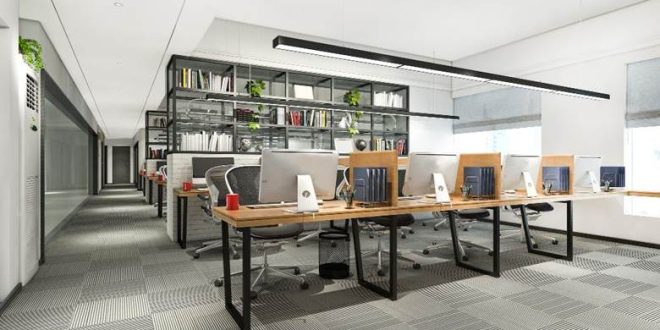
In today’s sharp-transport corporate world, the design of the office is more than only aesthetics-this plays a direct role in employee performance, mental clarity and overall productivity. In many approaches for the interiors of the workplace, the subsequent has emerged as one of the most effective. By reducing dislocation, simplifying layouts and preference to functional elements, the minimalist office design creates an environment where employees can focus better, can think more clearly and perform at their peak. Unlike traditional setups, which are often crowded with unnecessary decorations and oversized furniture, minimal design highlights the essentials, which benefits direct concentration and efficiency.
Minimalism is not about making cold or empty space; Rather, it is about designing a workplace that seems calm, balanced and purposeful. Every element has to play the role, from the choice of furniture to how to use natural light. Businesses know that a minimalist approach not only enhances attention, but also contributes to long -term employee satisfaction. The office exceeds only one physical space – it develops in an environment that supports creativity, productivity and well -being.
Why Minimalism Works in Offices
One of the major benefits of minimalism is the ability to distract. Employees often spend unnecessary paperwork, unorganized desk, or loudly surrounded by visual elements that attract attention from important tasks. When an office is designed with clean lines, open spaces and carefully selected elements, the mind is free to focus on work instead of dislocation. This simplicity promotes mental clarity and helps employees feel less overwhelmed by their surroundings.
Minimalism also creates a natural flow in the workplace. With low obstacles and more open areas, employees can easily move, which can lead to better cooperation and communication. At the same time, the organized layout encourages the sense of order, which can affect how employees manage their own actions and time. This psychological impact makes their office setup especially effective for businesses looking to maximize productivity without overcomplicating.
Key Elements of Minimalist Office Design
minimalist design in offices is characterized by simplicity, functionality and elegance. While each workplace can adopt it differently, some elements define the style:
- Clean and simple furniture: Desk and chairs are chosen for their functionality and smooth design rather than ornate details.
- Neutral color palettes: White, beige, gray, and natural tones dominate, leading to a cool atmosphere.
- Natural light: The requirement of artificial lighting in maximum sunlight decreases and mood and energy levels are promoted.
- Decluttered spaces: Storage solutions are integrated to visually exclude the item, which reduces visual distraction.
- Quality over quantity: Each decorative element or piece of furniture is deliberately created and adds value to the field.
These features align with the needs of modern employees, where functionality and welfare take priority on traditional luxury or excessive decoration. Many businesses are already searching for minimalist office design ideas to create places showing efficiency, professionalism and modern thinking.
The Impact on Employee Focus and Productivity
Psychological benefits of minimalist design are widely recognized. A chaos -free environment allows employees to focus better on tasks without constant interruption from their surroundings. The calm, systematic setup reduces the level of tension, which directly contributes to improving focus and creativity. Employees working in minimalist offices often report more satisfaction with high level engagement, better time management and their work environment.
In addition, the minimalist design supports flexibility. With open layout and multicultural furniture, employees can easily adapt space for various tasks – whether it is a collaborative churning session or focused on personal work. This adaptability enhances productivity, as the environment supports diverse function styles without creating unnecessary complexity.
Why Businesses in Gurgaon Are Adopting Minimalism
In a corporate hub like Gurgaon, where competition is high and office culture is a fast book, business is looking for ways to adapt to the performance by maintaining modern aesthetics. The minimalist office design has become a favorite option for companies aimed at balancing sophistication with practicality. With the expertise of the workspace interior designers in Gurgaon, organizations are looking for ways to implement minimal principles that align with their brand identity and employee needs.
These designers consider how to combine minimalism with functionality, ensuring that the offices are not only visually attractive, but also practical for daily operations. The result is a place that still feels inspiring and unpublished, meeting the demands of a dynamic workforce.
Conclusion: The Long-Term Value of Minimalism
Minimalist office design is only more than a design trend-this is a strategic approach to promote employee focus, welfare and productivity. By removing distractions and prioritizing functionality, minimalism creates a scope where employees can thrive. This provides a feeling of calming into an otherwise busy corporate environment, allowing individuals to focus on their actions by enjoying visually harmonious settings. For businesses, adopting atrocities means investing in both aesthetics and performance. A well -designed minimalist office reflects professionalism, promotes creativity, and creates an atmosphere of trust and clarity. As more companies seek effective methods to maximize efficiency, the subsequent proves itself as a periodic and impressive alternative to the inner parts of the office.